 With the staggering rise of social media scams globally, business executives find themselves increasingly targeted by cybercriminals seeking to exploit their personal and professional lives. WhatsApp, Facebook, and Instagram have become prime platforms for scammers to lure victims into their web of deception.
Social media scams have witnessed an alarming surge in recent years. In South Africa and around the world, cybercriminals are exploiting the widespread use of social media platforms to perpetrate their illicit activities. While the most common forms of social media scams involve phishing, fake profiles, and financial fraud, there is a more targeted and insidious threat lurking for high-level business executives.
Dean Vorster, Chief Technology Officer at Zinia, a well-established IT technology group that specialises in serving the corporate sector, explains: “Cybercriminals have adapted their strategies to focus on executives and high-level managers. Their primary objective is to obtain private photos or sensitive information that can be used for extortion and harassment. The modus operandi involves identifying key targets on social media, following them, hacking their accounts to access compromising content, and subsequently launching a targeted harassment campaign with the aim of extracting a ransom.”
The psychology behind their scam
The psychology adopted by these scammers is both manipulative and coercive. They employ tactics that place their victims under immense pressure, employing relentless calls and threats to exploit the natural human response to fear. By leveraging the victim's anxiety and apprehension, they aim to create a heightened state of emotional distress. This strategy is designed to keep the victim off balance, making them more susceptible to the scammer's demands. Threats to expose personal information to colleagues and clients intensify this anxiety, further increasing the victim's vulnerability. In essence, these scammers seek to control their target's emotions, using fear as a potent weapon to achieve their malicious goals.
How to Spot a Fake Account
Scammers will take the time to research and plot their attack. They will look for high profile executives or individuals in a senior position whose career and reputation would be affected by revealing personal photographs or information.
“Recognising the signs of a fake social media account is crucial in protecting yourself from scammers as this is their point of entry where they will begin their attack,” says Vorster.
Here are Vorster’s’ top tips to help you identify fake profiles
Friend Requests and Followers: Be cautious of sudden friend requests or followers from unfamiliar accounts, even if they have followed someone you know, do not accept their requests blindly. Scammers will use these tactics to gain access to your network.
Profile: Check the profile information thoroughly. Fake accounts often have incomplete or inconsistent details. Look for discrepancies in names, locations, and job titles.
Picture: Examine the profile picture closely. Fake accounts frequently use stock photos or stolen images from the internet. Conduct a reverse image search if you suspect foul play.
Activity and Engagement: Fake accounts typically have minimal activity and engagement. Be wary of profiles with a limited number of posts, followers, or connections.
Content Quality: Assess the quality of content shared by the account. Fake profiles often post generic or low-quality content. Look for unusual or inconsistent language use.
Securing Your Social Media Accounts
Vorster says, “Now that you know how scammers operate and how to spot fake accounts, it's essential to take proactive measures to secure your social media presence.”
Here are six tips to help protect yourself and your business:
1. Content: Be discerning about what you share online – photographs that reveal location, location check-ins, and personal opinions – as these all give attackers an understanding of you so that they can build a well thought out and targeted attack.
2. Enable Backup Codes - When creating a social media account, enable the "backup code" option. Store these codes securely, as they can help regain access to your account if it's compromised.
3. Use Two-Factor Authentication (2FA) - Implement two-factor authentication for your accounts. Utilise authentication apps like Google Authenticator, which provide an extra layer of security by requiring an authentication code for every login.
4. Strengthen Passwords: Ensure your passwords are complex and unique. Avoid using personal information such as your name or birthdate, as these are easy for hackers to guess. Use a combination of letters, numbers, and special characters.
5. Regularly Check Login Activity: Periodically review your login activity in the account settings. Look for any unusual devices or locations that may indicate unauthorised access.
6. Privacy Settings: Keep your social media accounts on private, especially if they are for personal use. If you are managing a business page or account, consider separating your personal and professional profiles to maintain your privacy.
In an era of escalating cyber threats, business executives must remain vigilant against the perils of social media scams. By understanding the tactics employed by scammers, recognising fake accounts, and implementing robust security measures, executives can protect their personal information, reputations, and businesses from the clutches of cybercriminals. Stay safe, stay secure, and navigate the digital landscape with confidence
Supplied.
 From Saturday 14 - Sunday 15 October 2023 in Balgowan, Kwa-Zulu Natal, Peter’s Gate herbal centre will be opened.

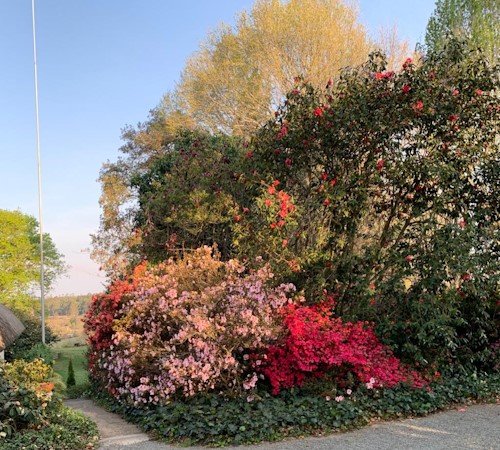 From Saturday 30th September 2023 – Sunday 1st October 2023, the Endebeni Forest will be open. Endebeni Forest is beautiful at any time but spectacular in the spring and breathtaking in autumn when the leaves change colour. It is a traditional English park garden, 24- hectares in size, well-established and filled with abundant plants and trees like azaleas, rhododendrons, dogwoods, magnolias, Chinese and Japanese maples, pin oaks, flowering cherries, liquidambars, swamp cypress, iris, snowflakes, bluebells and berberis to name but a few. There is an eleven-hole, six green mashie golf course, close to the water lily-filled lake. The reflections in the water from the surrounding natural bush and hills are sublime.
 Organisers of the aQuellé Midmar Mile have announced that Early Bird entries for the iconic race open today, 27 September 2023.
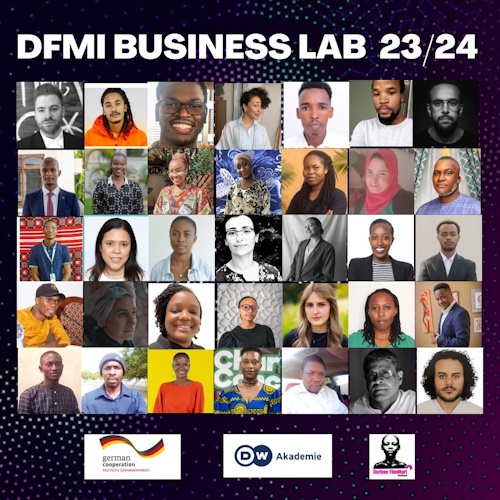 DFMI Business Lab Participants Announcement
 WWF South Africa is proud to announce its latest Believe in Better campaign, an inspiring call to action designed to ignite hope for a brighter, more sustainable future in our cherished nation. As South Africa approaches the 2024 elections, this campaign serves as a powerful reminder of our shared national vision—to heal the wounds of the past and pave the way for a brighter, more promising future for our country.
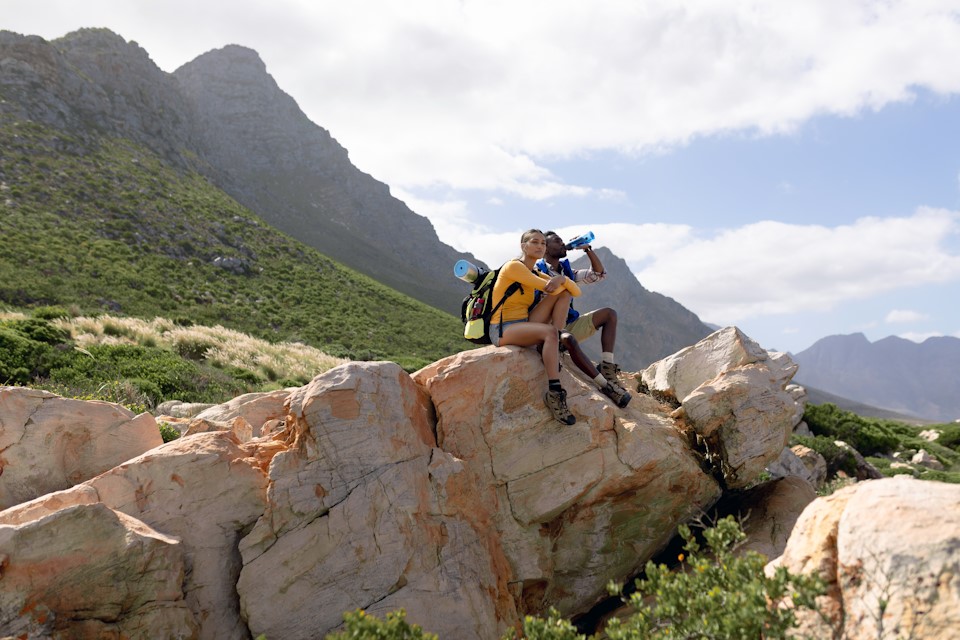
 MXOAN Motorcross of Africa Nations is an event hosted annually by a different country of FIM members. It is the continental championship for Motorcross. This year there were 11 Countries represented and 220 riders ranging in age from 6 years old to 58 years old.
 'Please would dog walkers pick up after their dogs when they poop. It is not neighbourly to expect other home owners to have to clear up after your dogs. Also, with warmer weather arriving, picking up dog poo helps keep fly numbers down.' Wendy White shared.

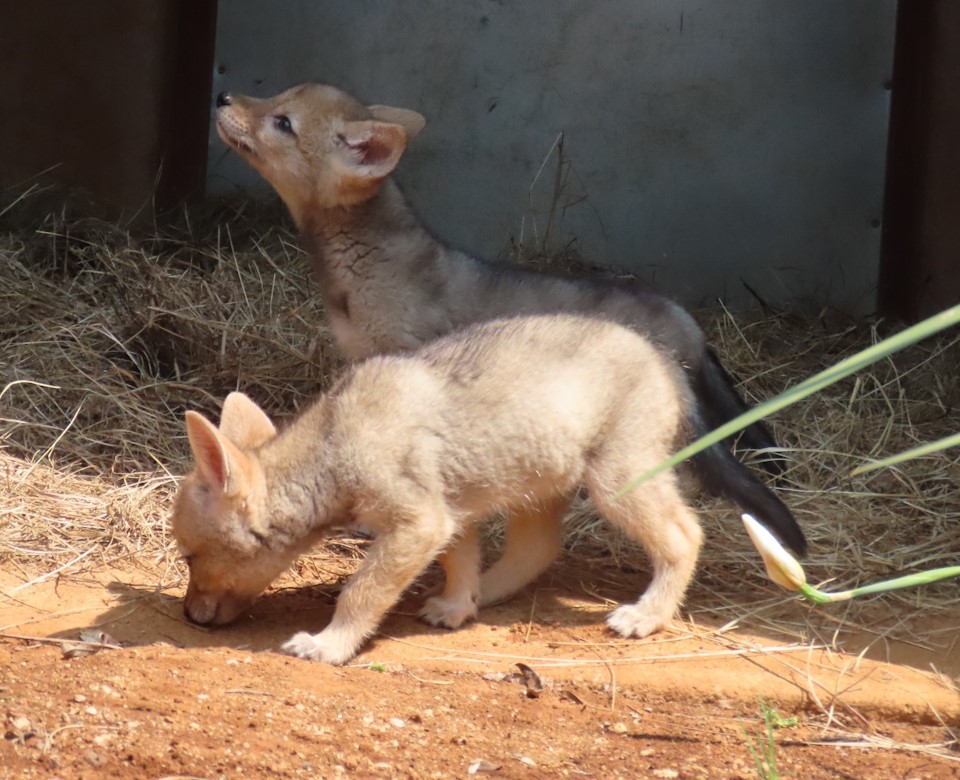
 The Waterford Hall Open Gardens will be opened from Saturday 14th – Sunday 15th October 2023.
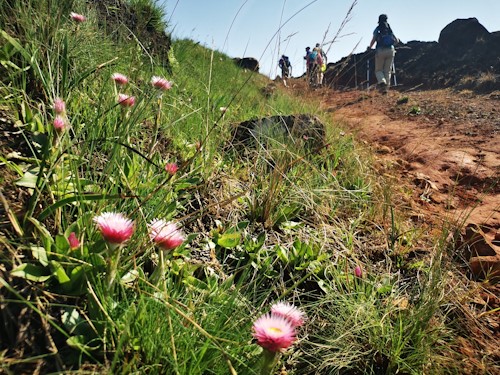 Blinkwater Trails – Open Day





 #Keready Youth Health Movement Celebrates World Contraceptive Day